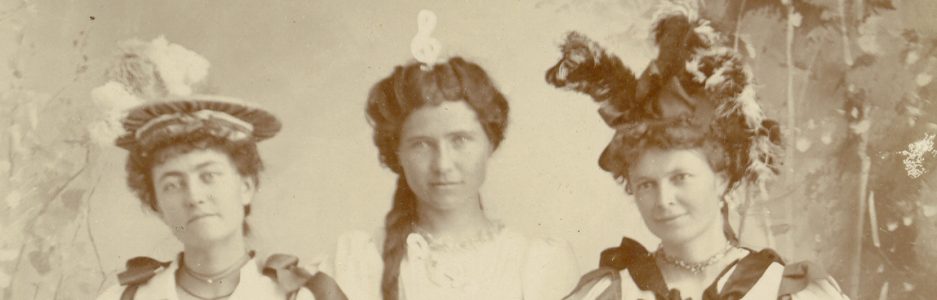
“…I am just about all in from another knoclalation [sic] taken this morning.”

This is the second in a series of 14 letters I will be posting—letters which were written by WWI Private Allen Lee Millard (“Nig”) Gooch to his family back home in Duncan, Arizona.

We will follow Pvt. Gooch from his first week in boot camp to his last letter from France at the close of the war. Readers will catch a glimpse of his fears, girl troubles, concern for his family, and his duties as an MP, as he grows from a young man who doubts he will see the trenches to a soldier on the front lines of the final offensive of an epic WWI.  So follow along as this story unfolds…
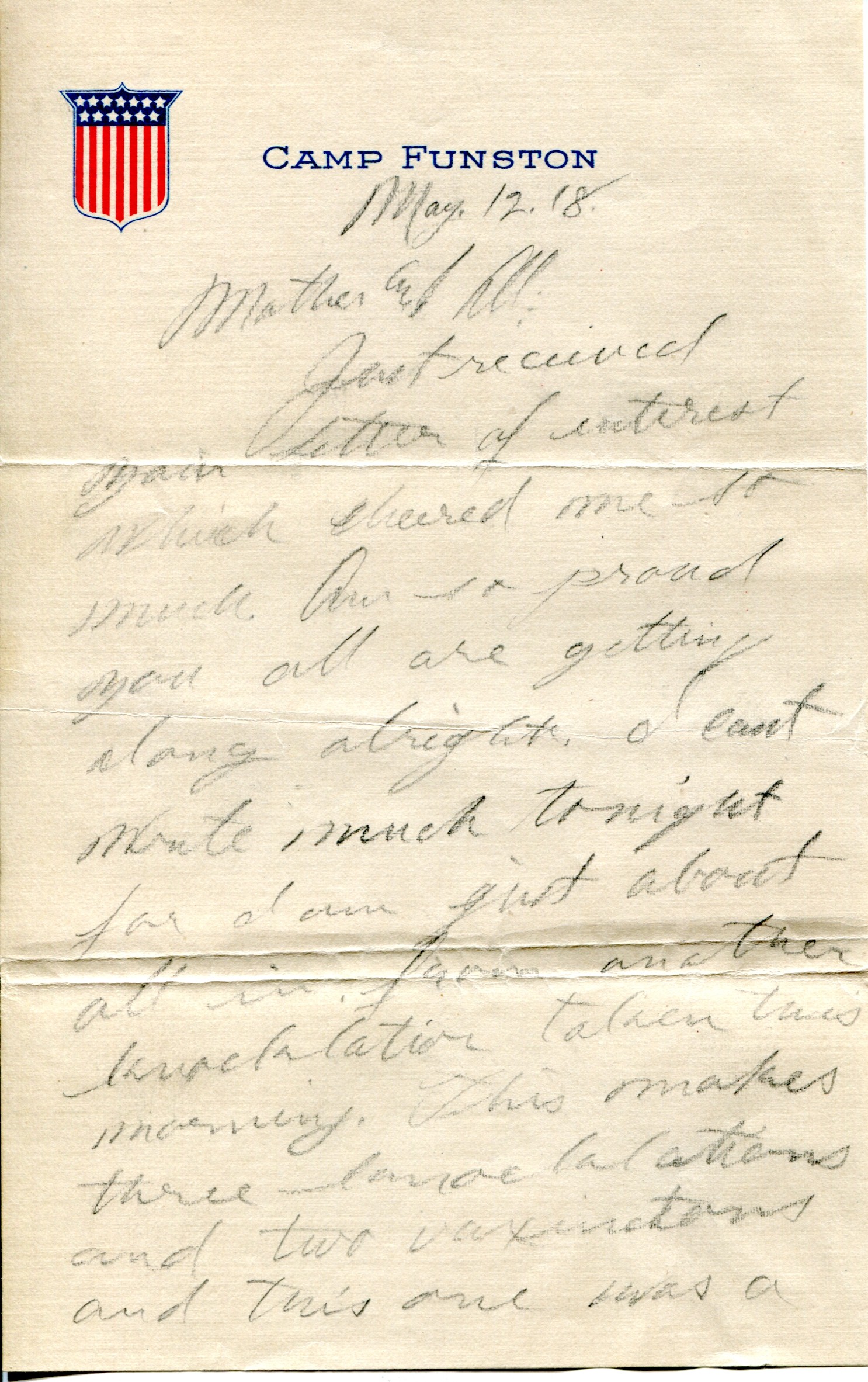
[Letter from Allen Lee Millard Gooch (Nig) to his family, 12 May 1918 from Camp Funston, Kansas.  Transcribed by Dayna Gooch Jacobs.  Slashes indicate page breaks. Original spelling and punctuation.]

                                                                                                                                                                 May 12. 18

 Mother and All:

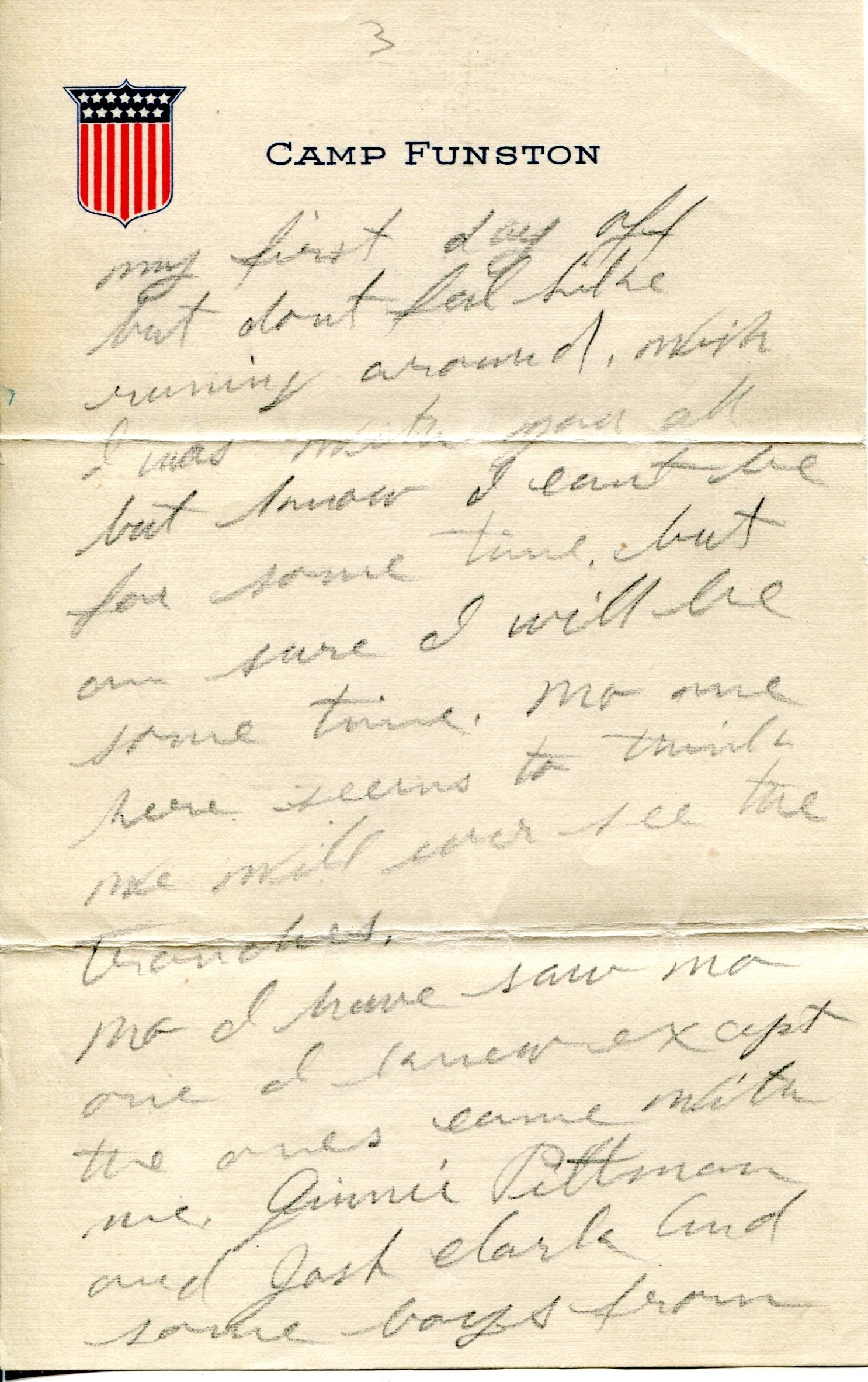
Just received/ your letter of interest/ which cheered me so/ much.  Am so proud/ you all are getting/ along alright.  I cant/ write much tonight/ for I am just about/ all in from another/ knoclalation [inoculation] taken this/ morning.  This makes/ three knoclalations/ and two vaxinations/ and this one was a/ [p2] hard one to stand/ as the needle was/ so large and they/ stuck it so deep/ didn’t hurt so bad/ untill about an hour/ afterwards then it made/ me sick and my/ arm sure is sore.

I don’t feel like writing/ much but want to/ send you all another/ picture of me and a/ friend of mine in/ the same tent./

This is Sunday and/ [p3] my first day off/ but don’t feel like/ running around. Wish/ I was with you all/ but know I cant be/ for some time,/  but am sure I will be/ some time.  No one/ here seems to think/ we will ever see the/ trenches.

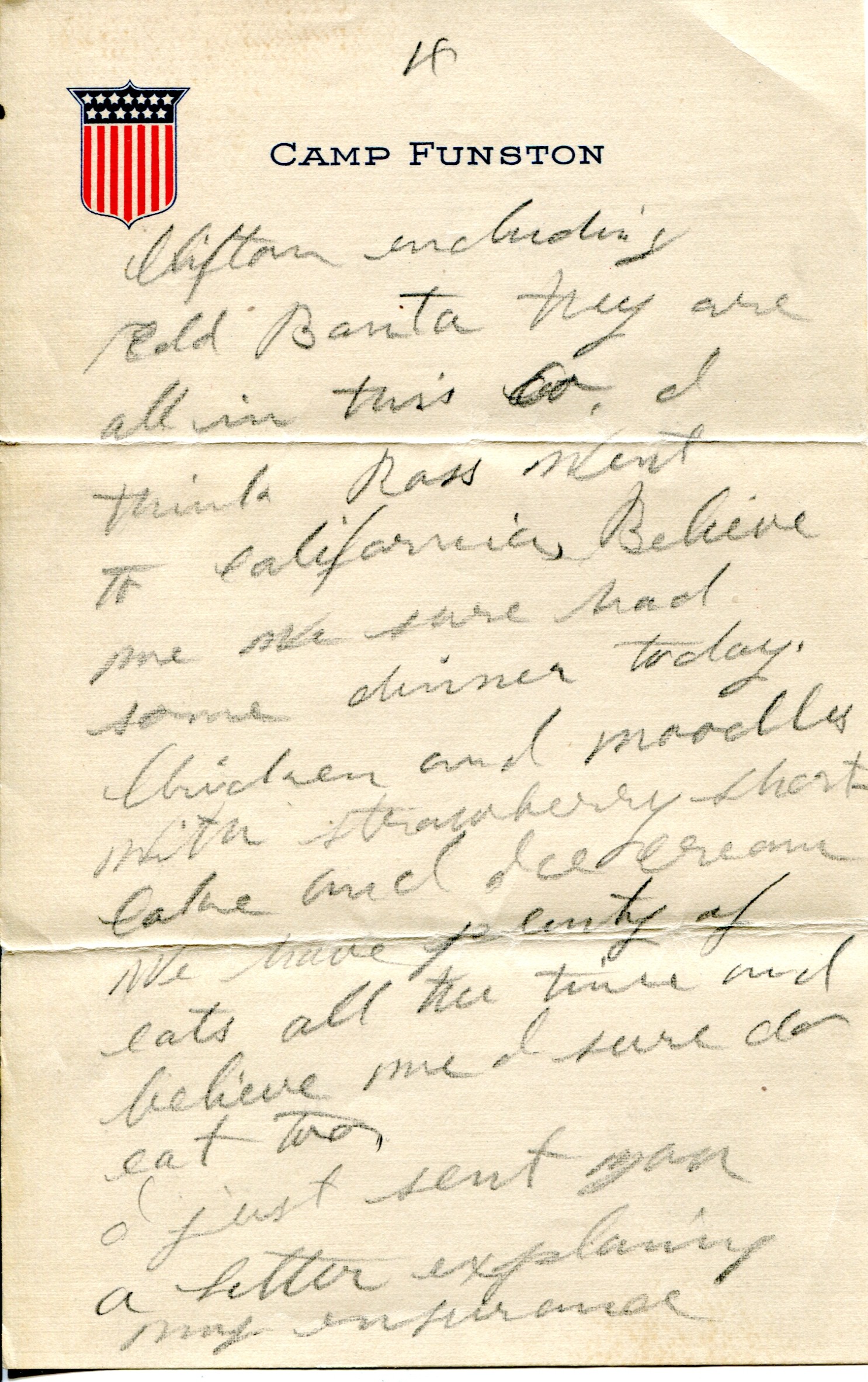
Ma I have no/ one I knew except/ the ones came with/ me.  Jinnie Pittman/ and Josh Clark and/ some boys from/ [p4] Clifton including/ Edd Bonita they are all in this Co. I/ think Ross went/ to California, Believe/ me we sure had/ some dinner today./  Chicken and noodles/ with strawberry short/ cake and ice cream./  We have plenty of/ eats all the time and/ believe me I sure do/ eat too.

I just sent you a letter explaining my insurance/

[remainder of letter missing]
To read other letters in the series click below:

1    2   3    4   5    6    7    8    9    10    11    12    13    14

Friday Finds: Braun Research Library and Autry National Center

One of the benefits of researching in the Western States is the abundance of specialized libraries and museums that preserve artifacts and manuscript collections for this region.  Quite often a museum will have a research library connected to it, and these libraries can be overlooked by genealogists as we tend to overlook museums as a resource.

TIP:  Compile a list of all major repositories in the region or state you are researching.  A good place to start is the website Repositories of Primary Sources.  

Don’t limit yourself to repositories located in the state you are researching, however.  I found a valuable manuscript collection pertaining to my Arizona/New Mexico ancestors in the Braun Research Library, a part of the Autry National Center in Los Angeles, California.

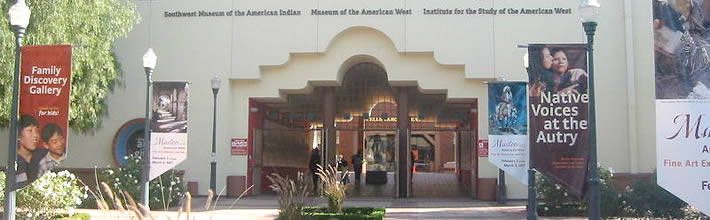
The Autry National Center, Los Angeles, California

The Autry National Center in Los Angeles, California is  “a history museum dedicated to exploring and sharing the stories, experiences, and perceptions of the diverse peoples of the American West.”

The Autry has online collections which can be searched, but be sure to access the Braun Research Libary and the Autry Library for collections that have not been digitized.

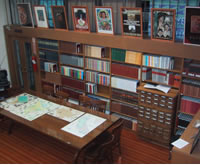
Braun Research Library reading room

The Braun Research Library is part of the Autry, but the facility is not located on the same site.  The online catalog will get you started, and then you can contact them for directions and hours they are open.

E-mail: rroom@theautry.org
Phone: 323.221.2164, ext. 256
Mail: Braun Research Library
234 Museum Drive
Los Angeles, CA 90065

“The strength of the library’s holdings, including its special collections and research material, also provides a context for the study of the art, literature, history, culture, and archaeology of the Native peoples of the Americas. This renowned collection includes approximately 50,000 books and serials, 2,000 sound recordings, 3,000 maps, more than 147,000 historic photographs, 3,000 works of art on paper, and 700 manuscript collections.”

The Autry Library is part of the Autry National Center, and is another research facility.  It’s collections are available by appointment only.

E-mail: rroom@theautry.org
Phone: 323.667.2000, ext. 349
Mail:
Autry National Center
Autry Library
4700 Western Heritage Way
Los Angeles, CA 90027-1462

TIP: Contact a research librarian via email to learn more about a collection before visiting.  If you have a specific collection or item you are interested in, notify the librarian in advance of your visit so they can have it pulled for you. 

TIP: Each research facility will have special rules about accessing materials.  Find out ahead of time what the rules are and what you are allowed to bring in with you.

I hope these tips lead you down some new trails in your research.  I think it’s time for a new adventure!

“…spit with the wind, not against it.”

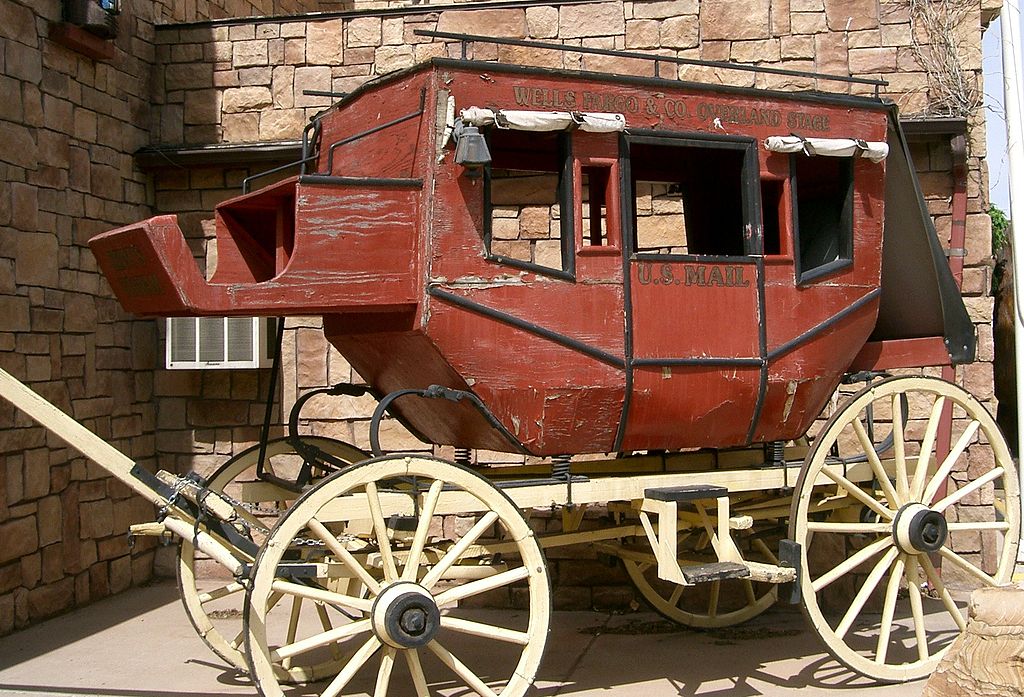
Wells Fargo Stagecoach

Travel by stagecoach was no sissy way to go west.   Check out the rules posted in every Wells Fargo stagecoach:

  • Abstinence from liquor is requested, but if you must drink share the bottle. To do otherwise makes you appear selfish and unneighborly.
  • If ladies are present, gentlemen are urged to forego smoking cigars and pipes as the odor of same is repugnant to the gentler sex. Chewing tobacco is permitted, but spit with the wind, not against it.
  • Gentlemen must refrain from the use of rough language in the presence of ladies and children.
  • Buffalo robes are provided for your comfort in cold weather. Hogging robes will not be tolerated and the offender will be made to ride with the driver.
  • Don’t snore loudly while sleeping or use your fellow passenger’s shoulder for a pillow; he or she may not understand and friction may result.
  • Firearms may be kept on your person for use in emergencies. Do not fire them for pleasure or shoot at wild animals as the sound riles the horses.
  • In the event of runaway horses remain calm. Leaping from the coach in panic will leave you injured, at the mercy of the elements, hostile Indians and hungry coyotes.
  • Forbidden topics of conversation are: stagecoach robberies and Indian uprisings.
  • Gents guilty of unchivalrous behavior toward lady passengers will be put off the stage. It’s a long walk back. A word to the wise is sufficient

Elizabeth C. MacPhail, Wells Fargo in San Diego, The Journal of San Diego History, Fall 1980, Volume 28, Number 4. (as posted on Wikipedia)

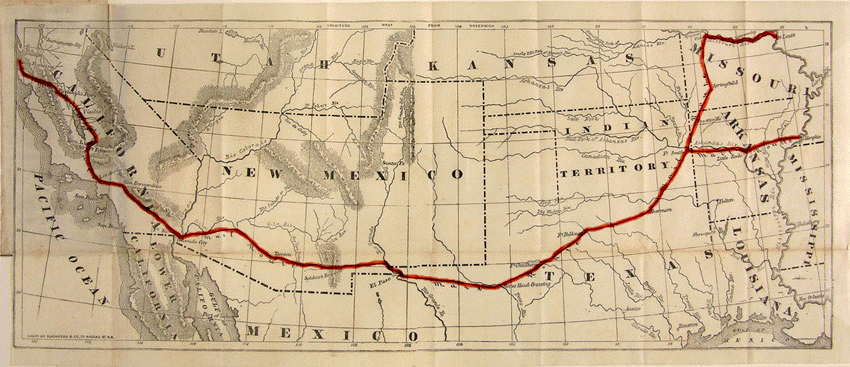
The two main stage companies were the Butterfield-Overland and the Central Overland.

The Butterfield-Overland Stage route was later taken over by Wells Fargo:

http://www.postalmuseum.si.edu/museum/1d_Butterfield.html

The Central Overland route took passengers from Salt Lake City, to Carson City, Nevada, and into California.

The coming of the trans-continental railroad in 1869 made stagecoach travel obsolete. Well, it was fun while it lasted!

On the Trail of Territorial Records

The early U.S. Territorial Period was 1821-1845, but the eventual Territorial Period lasted until 1912, when Arizona and New Mexico were admitted as states.

Where can you find territorial records?

I would suggest searching the online catalogs for these types of repositories, using the search term “territorial papers.”

  1. State archives and libraries 
  2. National Archives Regional Branches
  3. The Family History Library in Salt Lake City.  Do a “keyword” search for “territorial papers” in the FamilySearch online catalog.
  4. State level genealogical and historical societies
  5. University Special Collections in the state you are researching
  6. Territorial records can also be found on the county level sometimes

Here is a quick guide and links to the territorial papers available at the Family History Library:

  • State Department territorial papers, Arizona, 1864-1872, FHL film 1580035
  • State Department territorial papers: Colorado series, FHL film 1464017
  • Territorial papers, Idaho, 1863-1872 FHL film 1580038
  • Territorial papers of Montana, 1864-1872, FHL films 1602228 -9
  • State department territorial papers, Nevada, 1861-1864 FHL film 1491200
  • State department territorial papers: New Mexico, 1851-1972, FHL films 1580030-33
  • State Department territorial papers, Utah series, FHL film 491567
  • Interior Department territorial papers, Utah, 1850-1902, FHL films 1602234 -9
  • Territorial papers of Wyoming, 1868-1873, FHL film 1602230

Here are some published finding aids for territorial records:

Kvasnicka, Robert M. The Trans-Mississippi West, 1804-1912: A Guide to Federal Records for the Territorial Period, pts. I-IV (Washington, District of Columbia : National Archives and Records Administration, c1993-1996).

Chiorazzi, Michael.  Pre-Statehood Legal Materials: A Fifty-State Research Guide, including New York City and the District of Columbia,  2 volumes (New York : The Haworth Information Press, 2005).

Some other good resources are:

United States, The public statutes at large of the United States of America / by authority of Congress (Boston : Little, Brown, n.d.)

United States. Congress. House and Senate Documents and Reports, United States Congressional Serial Set  (Washington : U.S. G.P.O., n.d.).

United States. Congress, American State Papers, 38 vol (Buffalo, N. Y. : W.S. Hein, 1998)

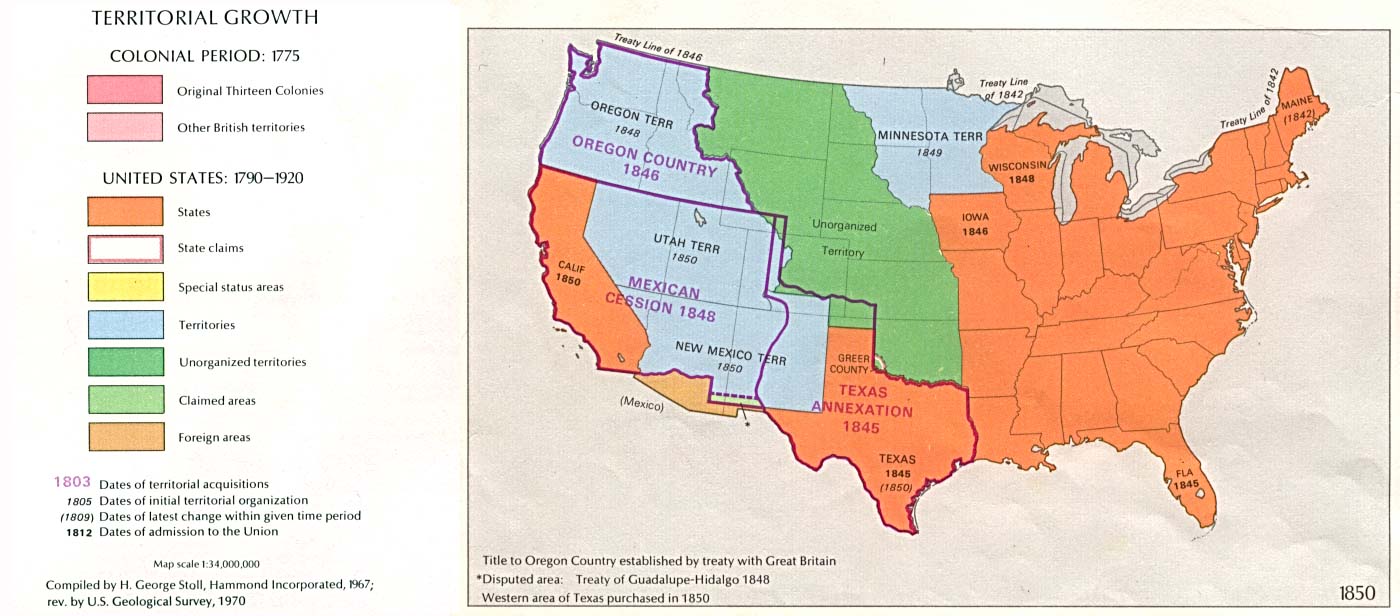
Yes, Texas extended all the way to Wyoming

We like to think of our states as we know them now—like, Texas has a panhandle and Las Vegas is in Nevada—not Utah, and Oregon stays on its side of the Snake River.  But any good Western States researcher knows about the past territorial lives of the states along the Rocky Mountain corridor.  In 1850 it was all about Texas, and the territories of Oregon and Utah…

Map of U.S. Territorial Growth (1850) from the Perry-Castañeda Library Map Collection. This image can be found at [http://www.lib.utexas.edu/maps/united_states/us_terr_1850]
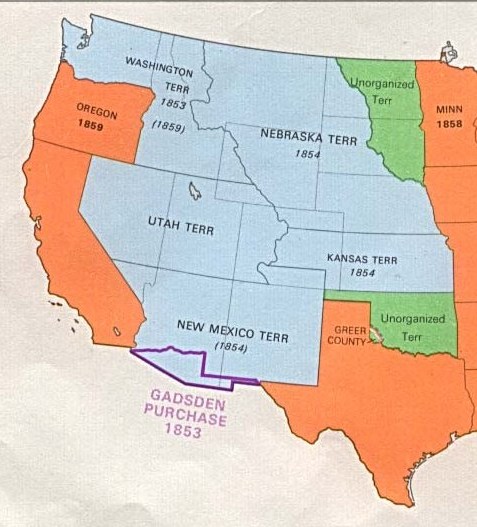
And by 1860 the area was part of five territories—Washington, Nebraska, Kansas, Utah, and New Mexico:

Map of U.S. Territorial Growth (1860), cropped, from the Perry-Castañeda Library Map Collection. This image can be found at [http://www.lib.utexas.edu/maps/united_states/us_terr_1860]

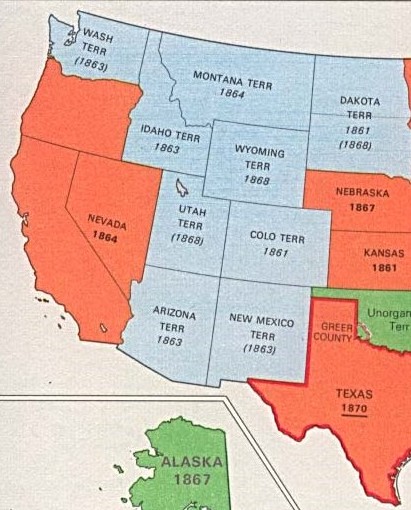
By 1870 what we now know as the Western States had taken their familiar shape, and those along the Rockies were officially territories in their own right:

Map of U.S. Territorial Growth (1870) from the Perry-Castañeda Library Map Collection. This image can be found at [http://www.lib.utexas.edu/maps/united_states/us_terr_1870]
By 1900 all the Western States had achieved statehood but New Mexico and Arizona, who were admitted to the Union in 1912:

Map of U.S. Territorial Growth (1900), cropped, from the Perry-Castañeda Library Map Collection. This image can be found at [http://www.lib.utexas.edu/maps/united_states/us_terr_1900]
Where did your ancestors settle in the West? Make a timeline of their activities and movements and plan to search some Territorial Records.  Help in that area will be posted next time.

“…the maps scanned by the University of Texas Libraries and served from this web site are in the public domain. No permissions are needed to copy them. You may download them and use them as you wish.”